
Odoo for food and beverage manufacturing: recipes, lots and expiry under control.
For factories that turn raw ingredients into packaged product in batches, where every lot has a shelf life and every label carries an allergen statement that has to be right.


 Manufacturing
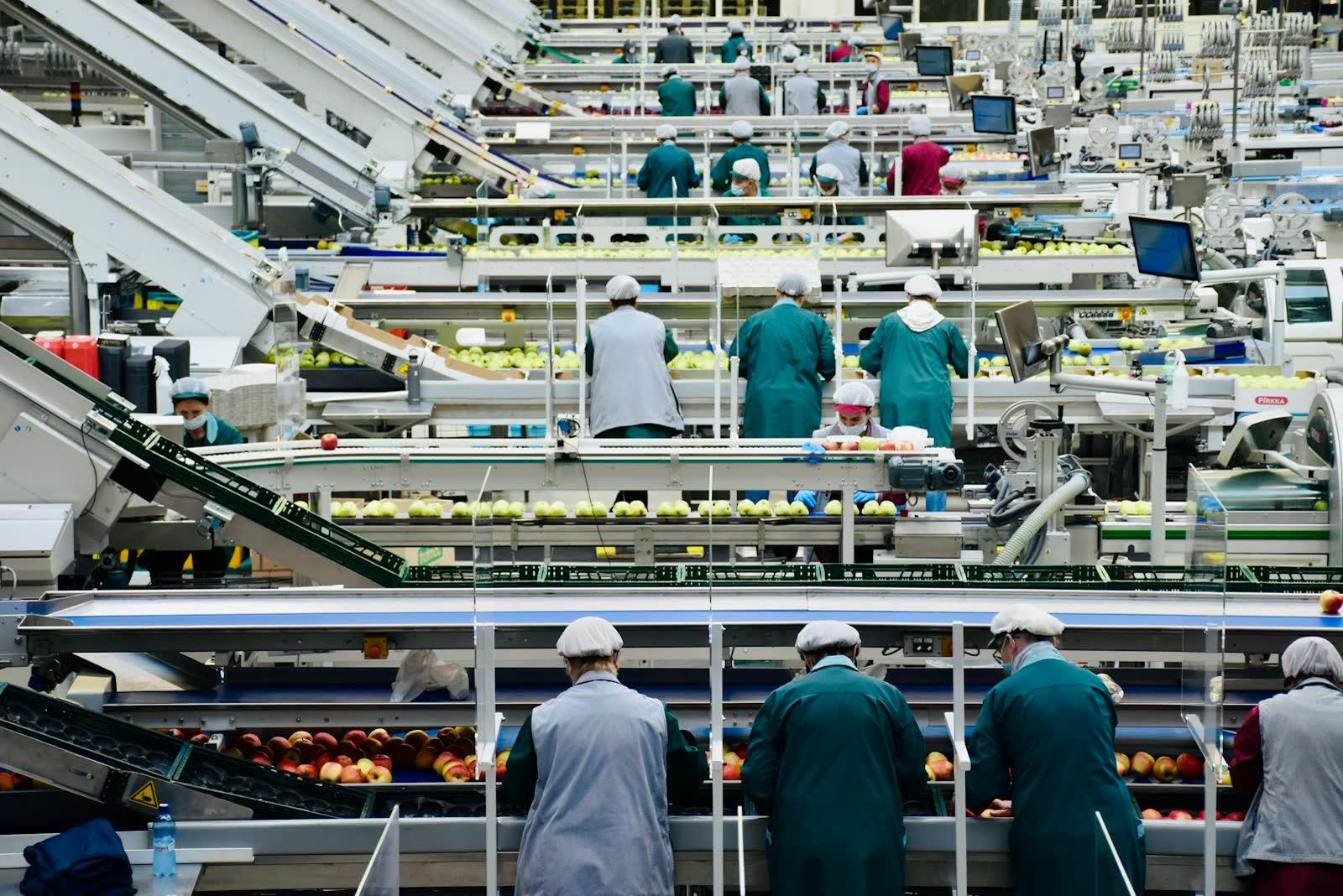
Where it breaks today.
A recipe is written in kilograms for the 200 litre kettle, scaled by hand for the 500 litre one, and the yield loss between the two is never recorded.
Ingredient lots arrive with an expiry date that goes on a sticker rather than into a system, so the oldest flour is not always the first used.
An allergen change from a supplier reaches the label three weeks after it reaches the warehouse.
When a complaint comes in, working out which batches used a suspect lot of sugar takes a day of reading paper batch sheets.
How we set it up.
Configured for food and beverage manufacturing, on a staging database you can log into, with a demo every week.
Recipes as bills of materials
Each recipe is a bill of materials with a base quantity and a scrap percentage per line, so a manufacturing order for 500 kg pulls the right ingredient weights. By-products such as trimmings or whey are declared on the BoM and land back in stock.Lots, expiry and FEFO picking
Ingredients and finished products are tracked by lot with an expiry date. The removal strategy is first expired first out, alerts fire before a lot goes out of date, and the traceability report follows one lot up to the customer and down to the supplier.Allergen and quality control points
Quality checks sit on receipt, mid-batch and before release, with pass and fail criteria. Allergens are attributes on the ingredient, and a change on one flags every finished product that uses it.Production planning by line
Work centres for mixing, cooking, filling and packing carry capacity in hours. Manufacturing orders are scheduled to lines from forecast and confirmed orders, with reordering rules covering ingredients and packaging.Cost per batch, not per year
Average costing on ingredients and hourly rates on lines give a real cost per finished batch. Margin per SKU is visible without exporting anything.
The apps.
Official Odoo apps, one database. Licences are paid to Odoo directly and are not marked up.
- ManufacturingBills of materials, work orders, costing.
- InventoryReceipts, deliveries, transfers, valuation.
- QualityChecks, alerts, control points.
- PurchaseRFQs, vendor pricing, reordering.
- SalesQuotes, orders, e-signature, upsells.
 AccountingInvoices, bills, bank feeds, tax returns.
By region.
Where our teams sit, and what changes for this industry in each place.
- Dubai
Arabic and English labelling, municipality product registration and halal documentation are attached to the product record so they travel with every batch. A free zone factory selling into the mainland handles VAT and customs on the same ledger.
- United States
Facility and lot records are kept in a form that supports FDA-style inspections and traceability requests. Sales tax exemptions on food vary by state and are handled by fiscal position.
- Melbourne
Lot and allergen data supports the food standards code and state food authority audits without a separate quality system. GST-free and taxable lines are set on the product so the BAS comes out right.



Questions about Odoo for food and beverage manufacturing.
Something else? Ask it here.
Answered from what we publish. Anything it cannot answer goes to a person on WhatsApp.
Prefer email? hello@odoo.fast
Yes. Lot tracking on ingredients and finished goods, with the traceability report, follows one lot in both directions. A mock recall usually takes minutes rather than a day.
Something else? Ask it here.
Answered from what we publish. Anything it cannot answer goes to a person on WhatsApp.
Prefer email? hello@odoo.fast
Scoped in 48 hours. Live on a date we sign.
Odoo fortrading companieslive in weeks, on a date we sign.
Send us your current setup. Within 48 hours you get a fixed price, a module list and a go-live date, from one senior team that does nothing but Odoo.