
Odoo for garment manufacturing: size runs, fabric rolls and subcontract sewing tracked.
For factories and brands that cut and sew in size and colour runs, use outside sewing units for part of the work, and need to know what a style cost by the time it ships.


 Manufacturing
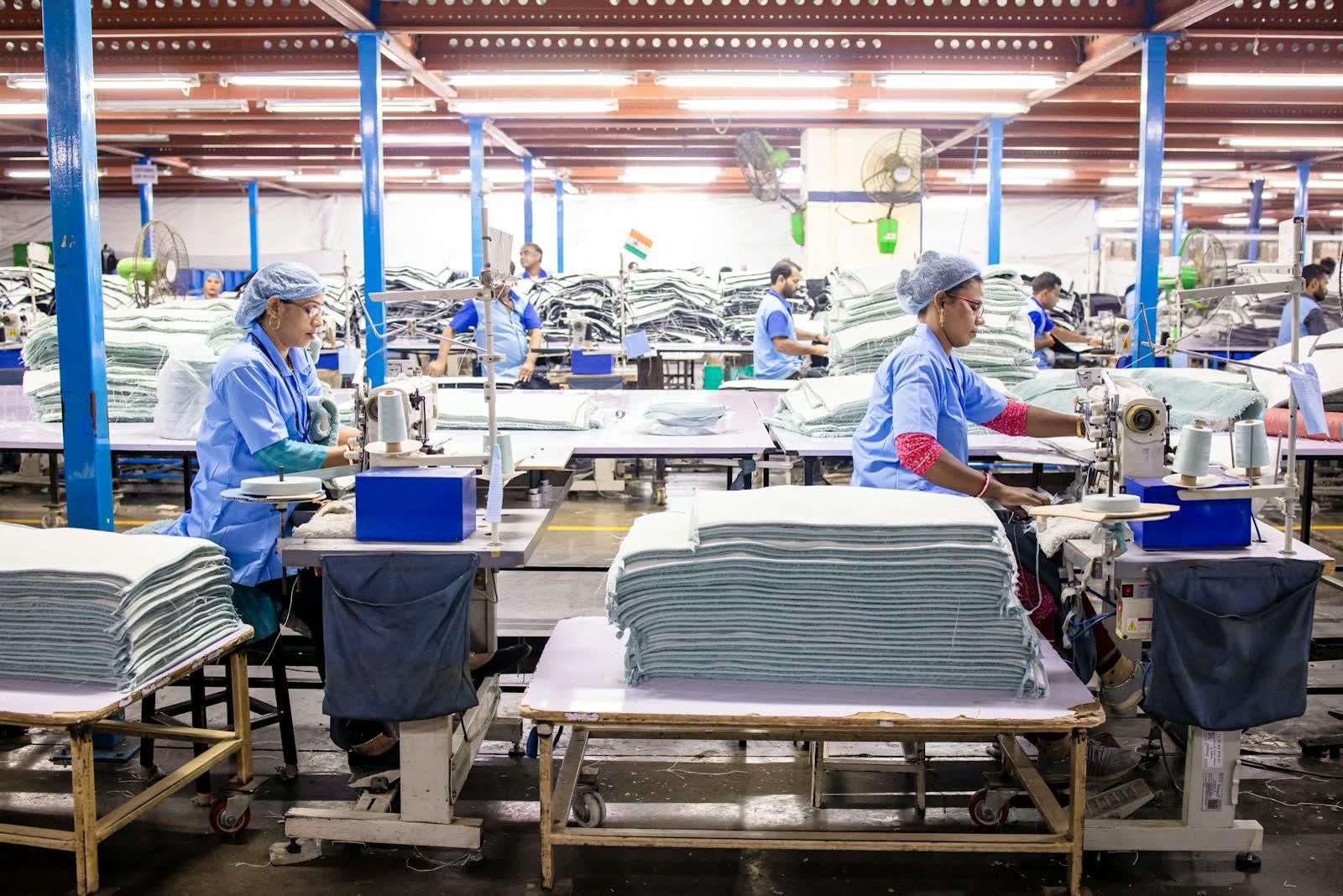
Where it breaks today.
A single style in eight sizes and four colours is thirty-two SKUs, and the order sheet from the buyer arrives as a grid that someone retypes.
Fabric is bought by the roll with a shrinkage allowance and cut by the marker, and the difference between the two is the margin nobody sees.
Cut panels go to a subcontract sewing unit on a delivery note, and what came back, and how many were rejected, lives in a WhatsApp thread.
Samples, tech packs and approved measurements sit in email, so the third revision of a style is produced against the second.
How we set it up.
Configured for garment manufacturing, on a staging database you can log into, with a demo every week.
Variant grids for sizes and colours
Attributes for size and colour create the variants, and the sales order accepts a size grid per colour. One bill of materials with attribute-based lines handles fabric, trims and labels per variant.Fabric rolls consumed by the marker
Fabric is held by roll as a lot with its length. The cutting work order consumes metres against the marker with a shrinkage percentage, and the offcut is booked as a by-product or scrap.Cut, sew, finish and pack routings
Work centres for cutting, sewing lines, finishing and packing each carry a standard minute value. Work orders move the bundle through, and line capacity sets the promised date.Subcontracted sewing without losing count
Subcontracting BoMs send cut panels and trims to the sewing unit and receive finished garments back. Rejects are recorded on receipt, and the subcontractor's invoice is matched to what returned.Styles and revisions under PLM
Tech packs, measurement charts and approved samples are attached to the product with a version. An engineering change order updates the BoM and routing, so production runs on the current revision.
The apps.
Official Odoo apps, one database. Licences are paid to Odoo directly and are not marked up.
- ManufacturingBills of materials, work orders, costing.
- SalesQuotes, orders, e-signature, upsells.
- InventoryReceipts, deliveries, transfers, valuation.
- PurchaseRFQs, vendor pricing, reordering.
- PLM
 AccountingInvoices, bills, bank feeds, tax returns.
By region.
Where our teams sit, and what changes for this industry in each place.
- Dubai
Uniform, abaya and export factories in free zones ship duty-suspended goods to the mainland and abroad, and the customs paperwork follows the delivery in Odoo. WPS payroll for large sewing teams runs from the same employee records.
- United States
Fibre content, care and country of origin labelling data is held on the product so labels print from one source. Imports of fabric and finished goods carry landed costs, so the style margin includes duty and freight.
- Melbourne
Country of origin and fibre labelling rules are met from product data, and GST reporting comes out of the same ledger. Piece-rate or hourly pay for machinists runs through STP Phase 2 payroll.



Questions about Odoo for garment manufacturing.
Something else? Ask it here.
Answered from what we publish. Anything it cannot answer goes to a person on WhatsApp.
Prefer email? hello@odoo.fast
Yes. The sales order shows a matrix of sizes and colours for a style, quantities are entered in the grid, and Odoo creates the variant lines.
Something else? Ask it here.
Answered from what we publish. Anything it cannot answer goes to a person on WhatsApp.
Prefer email? hello@odoo.fast
Scoped in 48 hours. Live on a date we sign.
Odoo fortrading companieslive in weeks, on a date we sign.
Send us your current setup. Within 48 hours you get a fixed price, a module list and a go-live date, from one senior team that does nothing but Odoo.